Energy Tech Trends That Will Dominate the Next 5 Years and Reshape Power Systems
Tech News
Energy tech trends are changing how power is produced, stored, and used across the world. Over the next five years, energy systems will shift faster than at any other time in modern history. Understanding these changes helps beginners, workers, and businesses prepare for what is coming.
The biggest shift is not just cleaner power. It is smarter systems, better storage, and energy that adapts to daily life. These developments affect electricity bills, job markets, and how homes and cities run.
Why Energy Tech Trends Matter Over the Next Five Years
Energy tech trends matter because global energy demand keeps rising while old systems struggle to keep up. Power grids built decades ago were not designed for electric vehicles, digital services, or renewable power at scale.
The next five years are critical because many technologies are moving from testing to real-world use. Decisions made now will shape energy costs, reliability, and climate impact for decades. This period sets the foundation for future power systems.
The Forces Accelerating Energy Tech Innovation
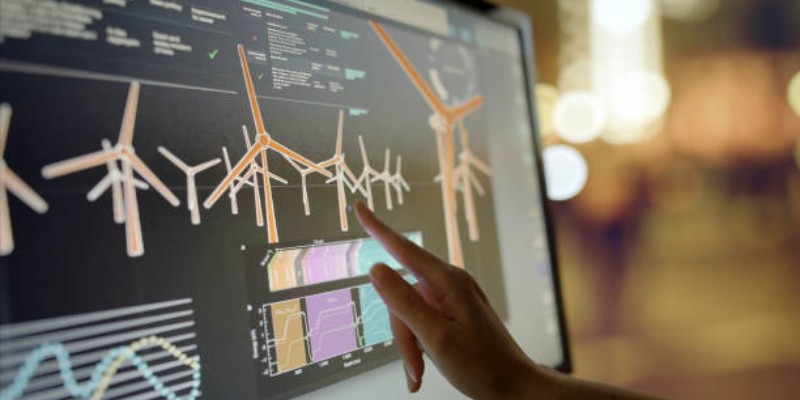
Several forces are pushing energy technology forward at the same time. Together, they explain why energy tech trends are moving faster than before.
Government Policy and Climate Targets
Many countries have set clear targets to cut emissions and improve energy security. These goals encourage investment in cleaner systems and modern infrastructure. Public funding helps new energy solutions move from research to deployment.
Falling Technology Costs
Manufacturing improvements have reduced costs for solar panels, batteries, and power electronics. As production scales up, prices continue to fall. Lower costs make advanced energy systems more accessible to homes and businesses.
Energy Demand From Digital Economies
Data centers, electric transport, and smart devices require reliable power around the clock. Traditional systems cannot meet this demand alone. This pressure speeds up the adoption of smart grid technology and advanced storage solutions.
Renewable Energy Technologies Leading the Shift
Renewable energy technology sits at the center of modern energy tech trends. Cleaner power sources now compete directly with fossil fuels on cost and reliability.
Advanced Solar Power Systems
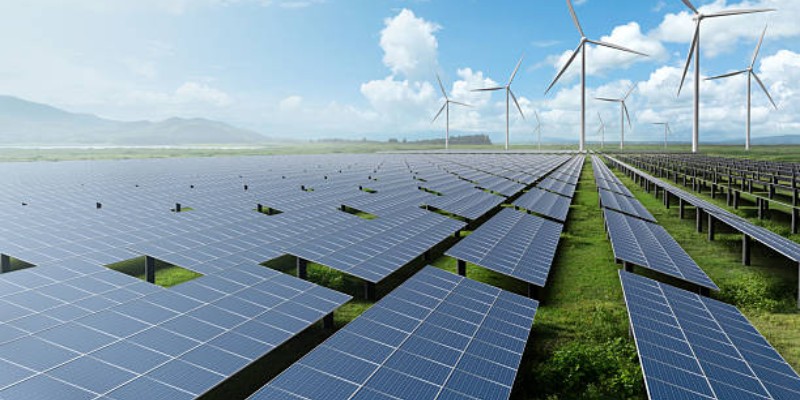
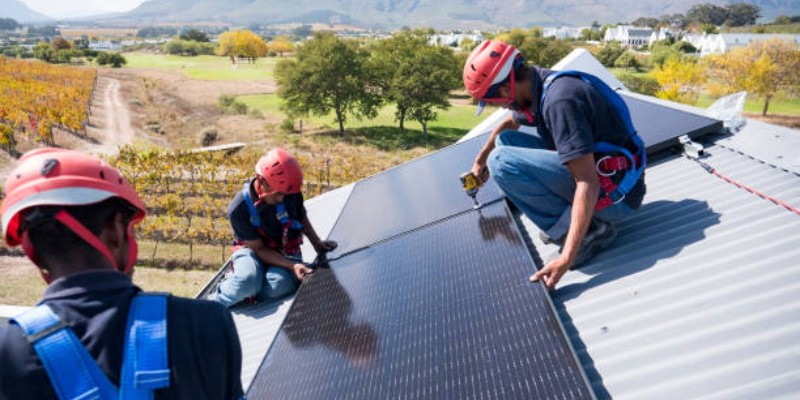
Solar power is evolving beyond rooftop panels. New designs produce more electricity from the same space. Solar installations are appearing on buildings, water surfaces, and unused land. These systems reduce dependence on centralized power plants.
Next-Generation Wind Energy
Wind power continues to expand, especially offshore. Taller turbines capture stronger winds and generate more electricity. Improved designs allow wind farms to operate in areas once considered unsuitable, strengthening renewable energy technology adoption.
Energy Storage Technologies Transforming Power Reliability
Energy storage technology solves one of the biggest challenges in modern power systems. Renewable energy does not always produce electricity when demand is highest.
Grid-Scale Battery Storage
Large battery systems store excess electricity and release it when needed. These systems help balance power supply and prevent outages. Grid storage supports renewable energy technology by smoothing out daily and seasonal changes.
Alternative Battery Technologies
New battery types aim to store energy for longer periods at a lower cost. These designs improve safety and reduce reliance on scarce materials. Over time, they will expand where energy storage technology can be used.

Smart Grids and Digital Energy Systems
Smart grid technology makes power systems more flexible and responsive. Digital tools allow energy networks to react in real time instead of following fixed schedules.
Artificial Intelligence in Energy Management
Artificial intelligence predicts demand, detects faults, and improves efficiency. Power operators can fix issues before customers notice problems. This technology plays a growing role in modern energy tech trends.
Internet of Things in Power Networks
Connected sensors monitor equipment performance across the grid. Real-time data helps utilities reduce waste and improve reliability. Smart grid technology also supports decentralized energy sources like home solar systems.
Hydrogen and New Fuel Technologies
Hydrogen is gaining attention as part of future energy tech trends. It offers a way to store and transport energy without direct emissions.
Green Hydrogen Production
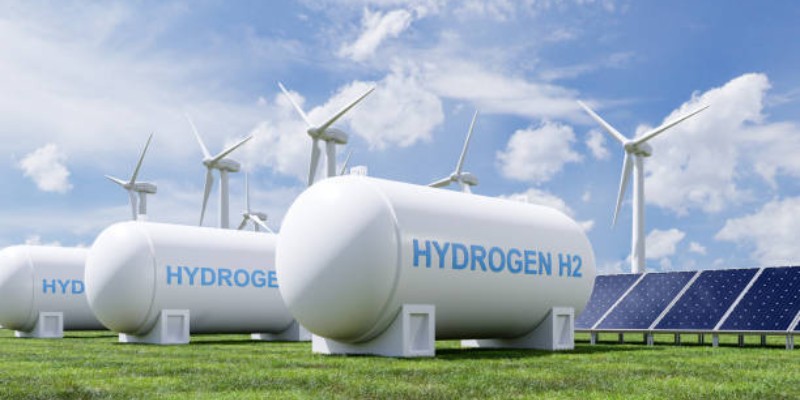
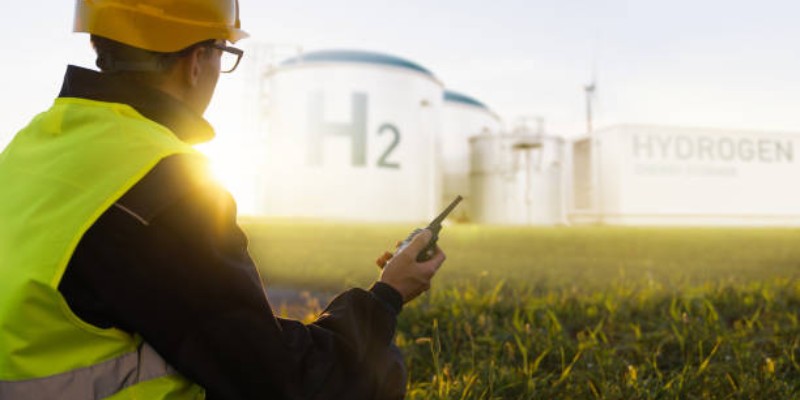
Green hydrogen is made using renewable electricity instead of fossil fuels. It supports industries that are difficult to electrify directly. This fuel complements renewable energy technology in heavy transport and manufacturing.
Hydrogen Storage and Distribution
Storing and moving hydrogen safely remains a challenge. New materials and systems aim to lower costs and improve safety. Progress in this area determines how fast hydrogen scales.
Electric Vehicles and Charging Infrastructure Expansion
Electric vehicle technology is transforming transportation and power demand. Vehicles are becoming both energy users and energy assets.
Fast-Charging Technologies
Faster chargers reduce waiting times and increase adoption. Improved designs protect batteries while delivering high power. This progress supports wider use of electric vehicle technology.
Vehicle-to-Grid Systems
Some vehicles can send electricity back to the grid when parked. This turns cars into mobile energy storage units. Vehicle-to-grid systems strengthen energy storage technology and grid stability.
Decentralized and Distributed Energy Solutions
Energy generation is moving closer to where it is used. Decentralized systems reduce reliance on large power plants.
Microgrids and Community Energy
Microgrids operate independently or alongside main grids. They improve resilience during outages and natural disasters. These systems support energy tech trends focused on local control.
Home Energy Systems
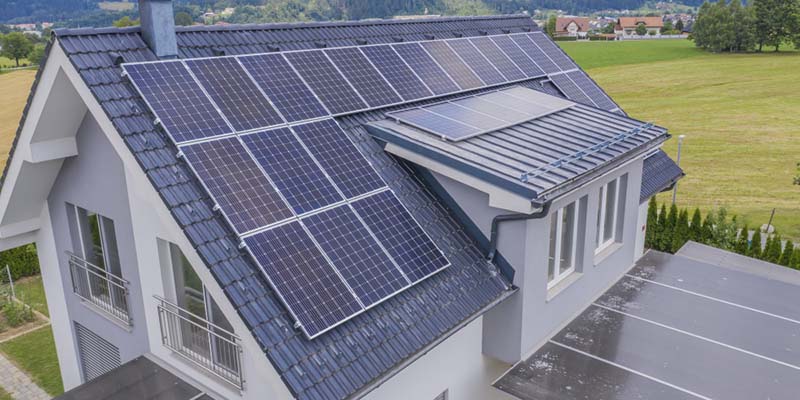
Homes increasingly combine solar panels, batteries, and smart controls. These setups lower bills and improve reliability. They also feed excess power back into smart grid technology networks.

Carbon Capture and Energy Efficiency Technologies
Not all emissions can be eliminated immediately. Some energy tech trends focus on reducing the impact of existing systems.
Carbon Capture in Power Generation
Carbon capture systems trap emissions before they enter the atmosphere. While still expensive, improvements continue. These systems support transitional energy strategies.
Energy Efficiency Innovations
Efficient appliances and buildings reduce overall energy demand. Smart controls cut waste without changing user habits. Energy efficiency remains one of the fastest ways to lower emissions.
Challenges That Could Slow Energy Tech Growth
Despite progress, challenges remain. Supply chains depend on limited materials. Skilled workers are in short supply. Aging grid infrastructure limits how fast new systems connect. Regulatory delays can also slow deployment.
What These Energy Tech Trends Mean for Jobs, Businesses, and Consumers
Energy tech trends create new jobs in installation, maintenance, and software. Businesses benefit from more stable energy costs and improved reliability. Consumers gain cleaner power, lower bills, and more control over energy use.
How Energy Tech Trends Will Shape the Next Five Years
Energy tech trends will redefine how power systems operate and how people interact with energy. Renewable energy technology, energy storage technology, smart grid technology, and electric vehicle technology will work together to create flexible and resilient systems. These changes will improve reliability, control costs, and reduce environmental impact across everyday life.
Trusted insights on these developments often align with guidance seen across the global energy sector, including perspectives reflected by institutions like global energy policy leaders, large-scale technology innovators discussed within international research communities, and industry-wide collaboration hubs found across world energy organizations.
Sources
Share this article:
Recommended For You

Most Viewed


ADVERTISEMENT